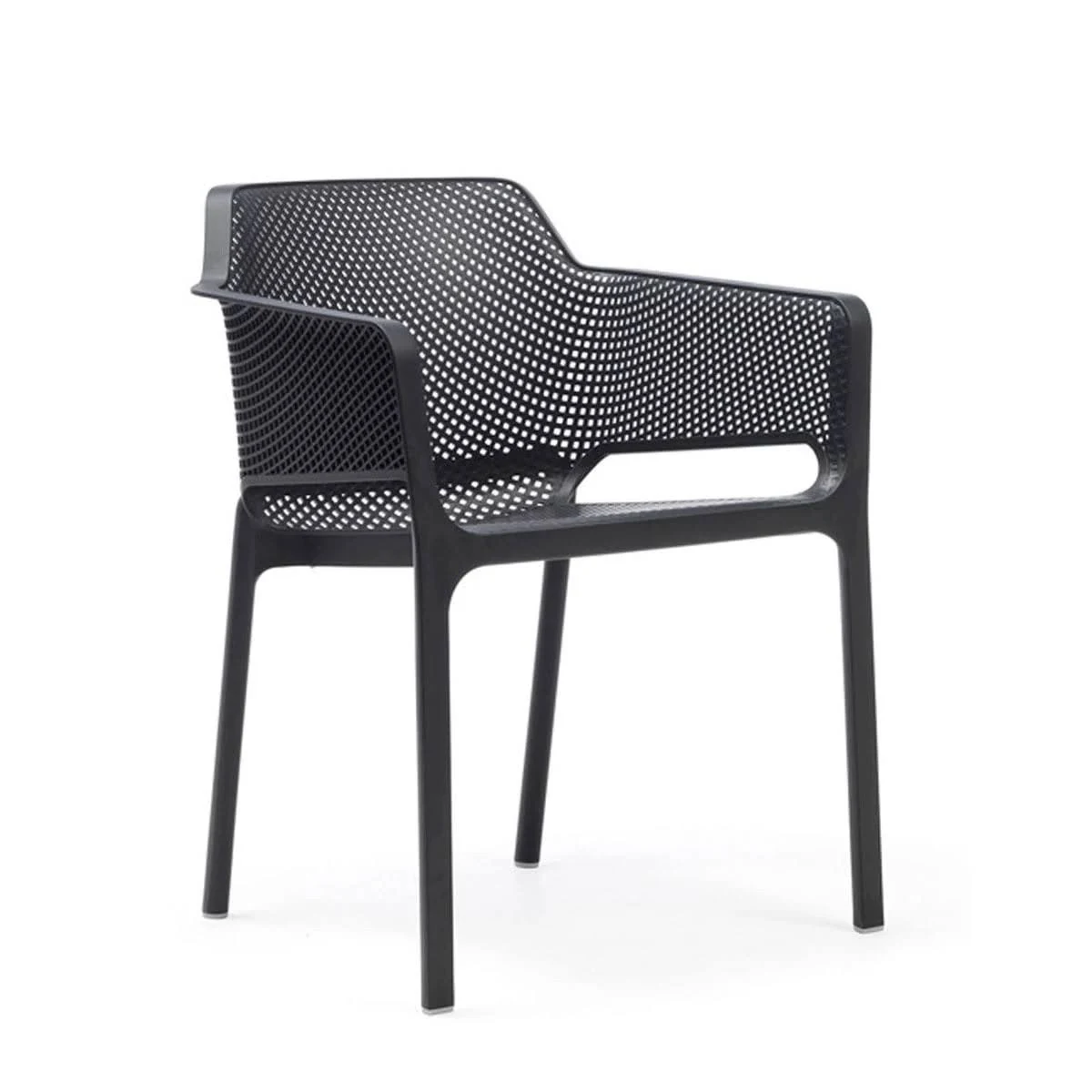
Resin Black
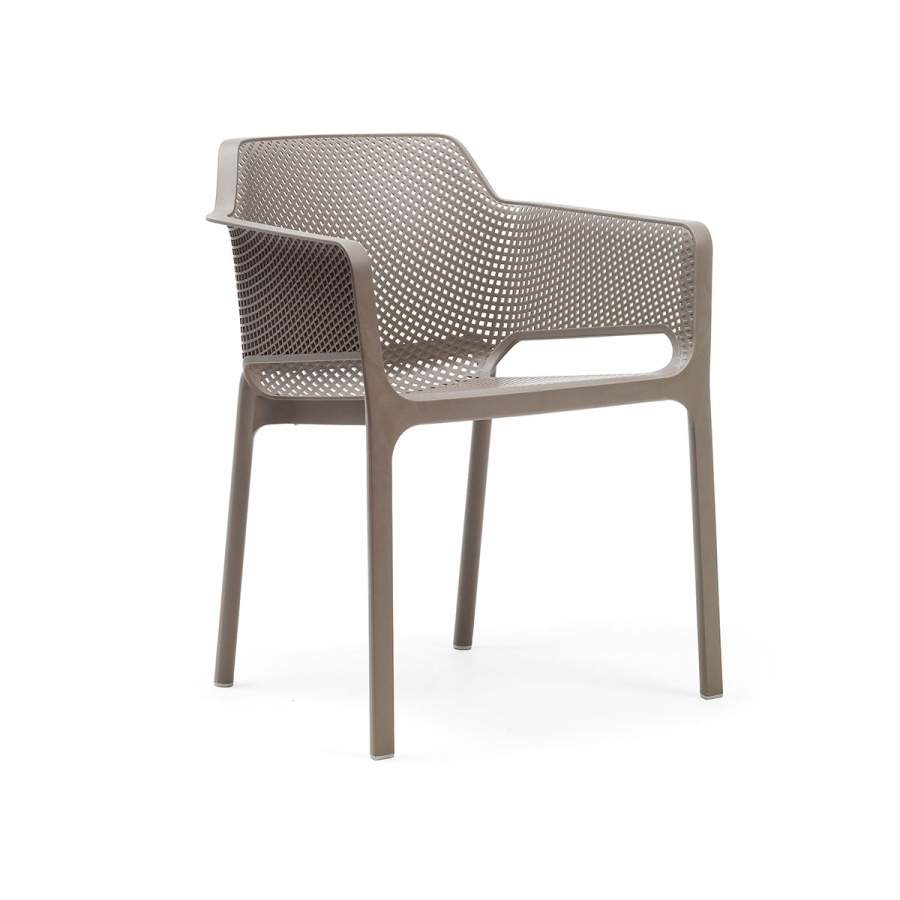
Resin Tortora
Resin Black
Resin Tortora
The History and Evolution of Italian Chaise Lounges: Explore the origins, influence of the Italian Renaissance, contributions of famous Italian designers, modern variations and trends, and the cultural and functional significance of Italian chaise lounges in this comprehensive article.
The origins of chaise lounges can be traced back to ancient civilizations, where they held significant cultural and symbolic meaning. In ancient Egypt, chaise lounges were associated with luxury and were often used by royalty and the elite as a symbol of status and wealth.[3]. Similarly, in ancient Greece, chaise lounges were not only practical for relaxation but also served as a symbol of prestige and social standing, especially during banquets and social gatherings.
The influence of chaise lounges in ancient Rome is particularly noteworthy, as they were integral to the Roman lifestyle and social customs. In Roman culture, the chaise lounge, referred to as a 'triclinium,' played a central role in family life, being used for sumptuous meals, leisure, and entertainment. The significance of the chaise lounge as a focal point of social interaction and relaxation underscores its historical importance and enduring appeal across different civilizations.
Furthermore, the transition of chaise lounges from being reserved for the elite to becoming more accessible to the general populace during the Industrial Revolution is a testament to their evolution and cultural impact. This shift not only democratized the use of chaise lounges but also transformed them into a ubiquitous piece of furniture with diverse historical and cultural significance. The méridienne and récamier, as distinct styles of chaise lounges, offer valuable insights into the historical and cultural contexts in which these iconic pieces of furniture were used, reflecting the rich tapestry of their origins and evolution.
The Italian Renaissance had a profound influence on the design of chaise lounges, leaving a lasting impact on the evolution of this iconic furniture piece. During this period, Italian artisans and designers incorporated artistic and architectural elements that shaped the distinctive features of Italian chaise lounges, setting them apart from other variations. For example, the use of ornate embellishments, scrollwork, and detailed carvings in the design of chaise lounges reflected the artistic exuberance of the Renaissance era, adding a touch of opulence and sophistication to these furniture pieces.
Furthermore, the Renaissance ideals of beauty, balance, and harmony were infused into Italian chaise lounge design, emphasizing the importance of proportion and symmetry. This emphasis on aesthetic principles resulted in the creation of chaise lounges that not only served as functional furniture but also stood as works of art, elevating the overall ambiance of interior spaces. For instance, the incorporation of graceful curves, graceful lines, and carefully balanced proportions in Italian chaise lounges reflected the Renaissance commitment to achieving visual harmony and elegance in design.
The Italian Renaissance's impact on chaise lounges extended beyond mere aesthetics, as it also influenced the functionality and cultural significance of these furniture pieces. The fusion of artistic sensibilities with practical utility during the Renaissance led to the creation of chaise lounges that not only provided comfort but also served as symbols of refinement and sophistication, embodying the spirit of the era's intellectual and cultural achievements. This enduring legacy continues to shape the appreciation and admiration for Italian chaise lounges in contemporary interiors, where they stand as testaments to the timeless allure of Renaissance-inspired design.
The evolution of Italian chaise lounges spans centuries, reflecting the dynamic changes in design, functionality, and cultural significance. Initially, chaise lounges were a symbol of luxury and exclusivity, reserved for the elite in society, including royals and aristocrats [3]. However, as societal structures transformed over time, chaise lounges became more accessible to a wider population, marking a significant evolution in their role and perception within different social strata [3].
One notable example of this evolution is the transition of chaise lounges from opulent, ornate designs favored by the aristocracy to sleek, minimalist styles that emerged during the 1920s. Architects and designers in Italy played a pivotal role in this transformation, infusing traditional elements with modern aesthetics to create chaise lounges that were not only visually striking but also functional and adaptable to contemporary living spaces. This shift underscored the evolution of Italian chaise lounges from being artifacts of historical opulence to versatile, practical furniture pieces that catered to the changing needs and preferences of society.
Moreover, the evolution of Italian chaise lounges is a testament to the enduring legacy of Italian design principles, which have continuously influenced the aesthetics and functionality of furniture. Italian chaise lounges have embraced a diverse array of design influences, from the artistic and architectural elements of the Renaissance to the sleek, contemporary styles of the modern era, showcasing a rich tapestry of innovation and adaptation. The evolution of Italian chaise lounges mirrors not only the changes in design and accessibility but also the intrinsic connection between furniture and societal shifts, making them an integral part of cultural and design history.
The contributions of famous Italian designers to the evolution of chaise lounges are profound and far-reaching. One notable figure is Gio Ponti, a prolific architect, and designer who significantly influenced the world of furniture design with his iconic chaise lounge creations. Ponti's innovative approach to blending form and function resulted in timeless pieces that continue to inspire contemporary chaise lounge designs. His work exemplifies the seamless integration of traditional craftsmanship with modern sensibilities, setting a standard for Italian chaise lounge design.
Another influential designer is Antonio Citterio, known for his elegant and sophisticated chaise lounge designs that effortlessly combine comfort and style. Citterio's meticulous attention to detail and mastery of materials have redefined the concept of luxury and relaxation in chaise lounges, elevating them to new heights of comfort and aesthetic appeal. His contributions have reshaped the landscape of contemporary chaise lounge design, reflecting the enduring legacy of Italian craftsmanship and design excellence.
Additionally, the visionary contributions of Patricia Urquiola have left an indelible mark on the world of chaise lounge design. Urquiola's innovative use of unconventional materials and bold experimentation with forms have led to the creation of avant-garde chaise lounges that challenge traditional design norms. Her designs seamlessly blend artistry with functionality, offering a fresh perspective on the concept of lounging and relaxation. Urquiola's influence has expanded the possibilities of chaise lounge design, ushering in a new era of creativity and expression in Italian furniture craftsmanship.
These designers, among others, have collectively shaped the evolution of Italian chaise lounges, leaving an enduring imprint on the furniture industry and inspiring a new generation of designers to push the boundaries of innovation and creativity in chaise lounge design.
The evolution of Italian chaise lounges has led to a diverse range of modern variations and trends, reflecting the changing needs and preferences of contemporary consumers. In today's market, Italian chaise lounges are available in a wide array of materials, including leather, fabric, wood, and metal, allowing individuals to select options that align with their personal style and interior décor [3]. For instance, contemporary Italian chaise lounges may feature sleek, minimalist designs for urban dwellers seeking a chic and streamlined aesthetic, while others may boast ornate details and luxurious upholstery to appeal to those with a penchant for opulence and grandeur.
Moreover, the versatility of Italian chaise lounges extends beyond indoor spaces, with an increasing emphasis on outdoor functionality. Modern variations often incorporate weather-resistant materials, such as synthetic wicker and aluminum, making them ideal for outdoor patios, poolside lounging, and garden retreats. Additionally, innovative features like adjustable backrests, built-in storage compartments, and modular configurations contribute to the adaptability of Italian chaise lounges, enhancing the overall comfort and usability for contemporary consumers [3].
The enduring allure and cultural significance of Italian chaise lounges have solidified their status as coveted pieces in the realm of interior design and home furnishing. Their ability to seamlessly blend traditional craftsmanship with contemporary sensibilities has positioned them as timeless investments, offering a harmonious balance of aesthetics and functionality in the modern era [3].
Italian chaise lounges have a rich cultural and functional significance that extends beyond their use as furniture pieces. These iconic lounges have made their mark in various fields, including art, psychology, medicine, and entertainment, showcasing their diverse applications and relevance in different aspects of human life [4]. For example, Italian chaise lounges have been featured in prominent artworks, serving as symbols of luxury, relaxation, and leisure, and reflecting the cultural and aesthetic values of their time.
Furthermore, the functionality of Italian chaise lounges goes beyond mere comfort, as they have been used in the field of psychology to create environments conducive to relaxation and therapy. The design and ergonomic features of these lounges have been utilized to promote mental well-being and stress relief, highlighting their impact on psychological and emotional comfort. Additionally, in the realm of medicine, chaise lounges have been employed in therapeutic settings to provide patients with a comfortable and supportive resting place, underscoring their functional significance in promoting healing and recovery.
Moreover, Italian chaise lounges have become synonymous with elegance and sophistication in the world of entertainment and popular culture. They have been featured in numerous films and television shows, becoming iconic symbols of luxury and relaxation. Their portrayal in Hollywood and fashion has cemented their status as timeless and desirable pieces of furniture, contributing to their cultural significance and widespread appeal in contemporary society. This multifaceted cultural and functional significance underscores the enduring legacy of Italian chaise lounges and their ability to transcend historical and cultural boundaries, making them cherished and sought-after elements of interior design and lifestyle.
Italian chaise lounges have a rich historical and cultural significance, evolving from symbols of luxury to versatile and sought-after furniture pieces in modern living spaces. The enduring appeal, timeless elegance, and cultural relevance position Italian chaise lounges as iconic pieces that continue to enhance contemporary lifestyles and interior design.
Italian chaise lounges have become more than just furniture; they are a testament to the evolution of design, art, and lifestyle. With the influence of Italian Renaissance ideals, chaise lounges have seamlessly integrated beauty, balance, and harmony into contemporary living spaces, reflecting the timeless principles of Italian design. For example, the renowned Italian designer Gio Ponti revolutionized chaise lounge design by infusing modernist elements with traditional craftsmanship, creating the iconic "Leggera" chaise lounge that embodies Italian aesthetic sensibilities and functional elegance.
Furthermore, the modern variations and trends in Italian chaise lounges have expanded their functionality, making them a popular choice for both indoor and outdoor settings. For instance, contemporary Italian chaise lounges now come in a variety of materials such as teak, wicker, and aluminum, offering durability and style for outdoor relaxation spaces. Their versatility and adaptability to different environments have solidified their position as a staple in the world of interior and exterior design. The enduring legacy of Italian chaise lounges speaks to their ability to seamlessly blend history, art, and comfort, making them an integral part of contemporary living.
In conclusion, Italian chaise lounges stand as a testament to the enduring influence of historical and cultural elements, seamlessly integrating with modern lifestyles, and continuing to define the standards of elegance and comfort. Their journey from ancient symbols of luxury to contemporary iconic furniture pieces showcases the timeless appeal and cultural relevance that have made Italian chaise lounges a cherished and sought-after addition to living spaces around the world.